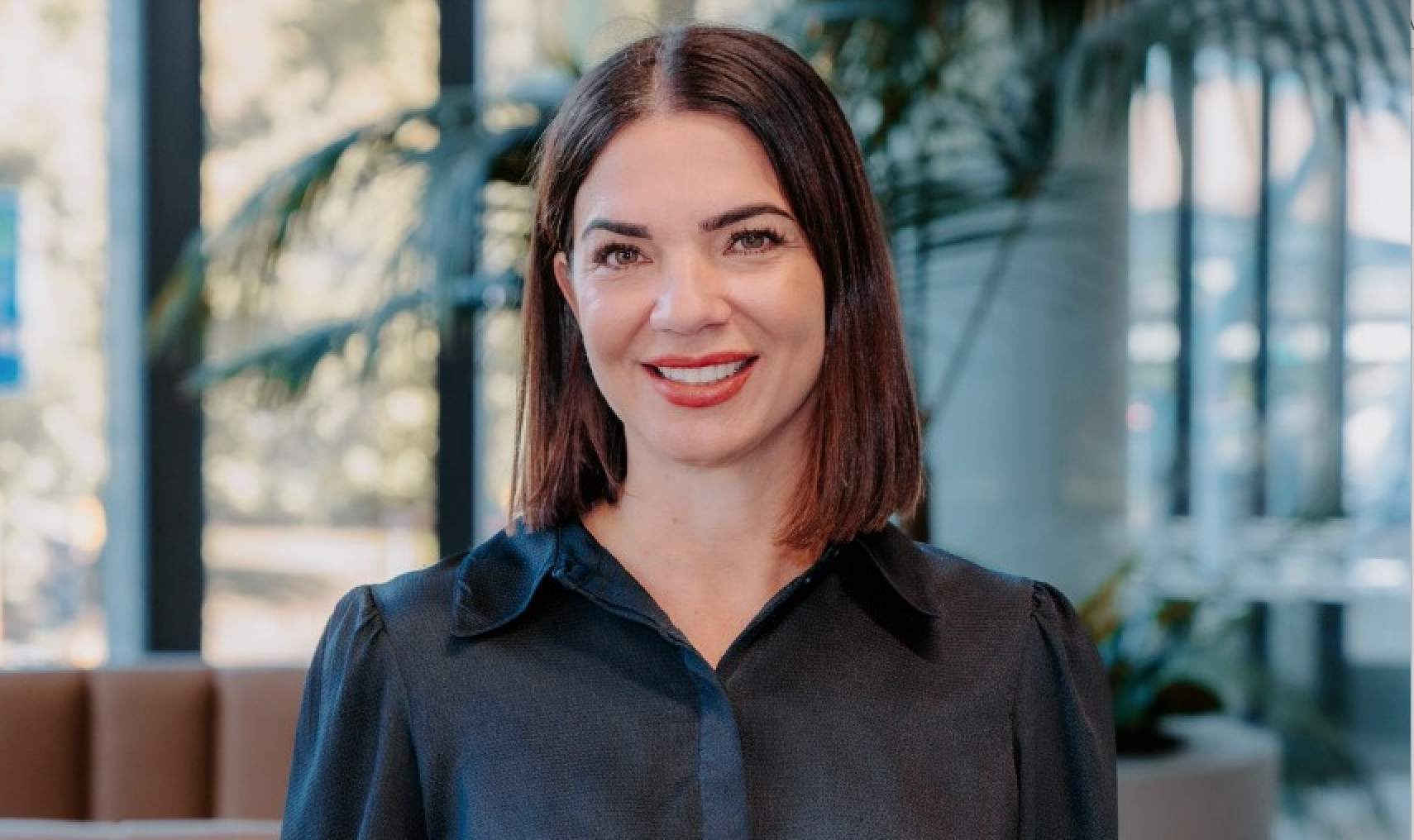
nib NZ chief executive Skye Daniels has defended the controversial introduction of co-payments, and says the decision wasn’t made lightly.
Responding to an enquiry from Good Returns, Daniels says move was necessary to address unprecedented claims inflation that could no longer be managed through premium increases alone.
"We know that increasing premiums every year can't be the only approach to tackling the challenge of prolonged and unprecedented claims inflation," Daniels said.
She noted that claims inflation and utilisation had been steady in the single digits for many years, but began rising sharply around two years ago - a shift affecting all health insurers.
She also emphasised that co-payments would not apply to surgical and treatment benefits such as cancer treatment and private hospital admissions. Some diagnostic procedures, including colonoscopies, gastroscopies, and skin biopsies, would continue to be covered in full.
The co-payment will also not apply to customers on Ultimate Health Max, as they have guaranteed policy wording.
On the removed benefits, Daniels noted that they had relatively low usage. The Public Hospital Payment Benefit had a claiming rate of 0.5% in FY25, while the Loyalty Health Check Benefit was used by 3.7% of eligible members.
"We haven't made the decision on co-payments lightly," Daniels said.
“We understand that changes like these are not welcomed by members that are regularly claiming, but the reality is that both medical costs and claims volume continue to increase. These decisions have been made after thorough deliberation, and we remain committed to ensuring we can provide New Zealanders with cover now and well into the future.”
Industry veteran calls for patience
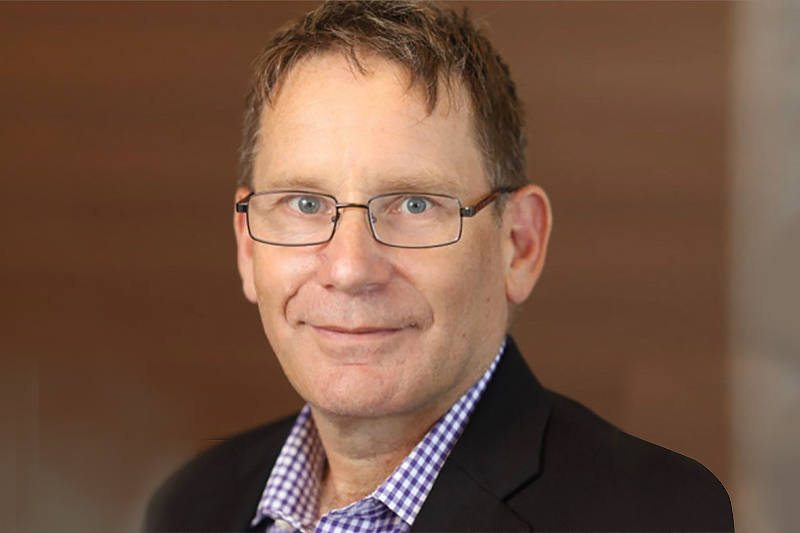
Jon-Paul Hale from Willowgrove Consulting, who met with Daniels to discuss the changes, urged the industry to give the new chief executive time to address nib's well-documented service challenges.
"I think Skye has an excellent handle on the situation she is walking into and isn't afraid to ask the questions with the hard answers," Hale said. "My impression is Skye is tackling things in a professional way with an excellent understanding of the business she is now leading."
Hale acknowledged nib's service issues over the past three years, which he attributed to the previous CEO not addressing problems effectively. Given Daniels' recent appointment and current challenges, he believes she deserves space to make improvements.
While noting that communication of the recent changes could have been handled better, Hale suggested this was part of a learning curve for both nib's recently appointed senior management team and the organisation as a whole.
"Given time, Skye's focus on service delivery will pay dividends we all need to see, but that needs some time and space for her to get things done," he said.
"Time will tell, first time is needed to let nib get the house in order.”
Support for advisers
Daniels said nib has created resources to help advisers communicate the changes, including a diagnostics schedule and change summary. nib is also holding webinars to explain the changes and answer questions.
"We have immense trust in our advisers to guide our members, their clients, through this," she said.
"Advisers can reassure clients that these changes are about protecting the parts of cover that they rely on most, while managing the impact of rapidly rising claims and healthcare costs."
She added that the company had been encouraged by feedback regarding its decision to explore alternatives to simply increasing premiums for all members.


 Search