Insurance

Why this ex-insurer leads with health, not life

Ex-nib adviser manager started his own business 12 months ago, and says life insurance is a “fairly dull opening” for most clients

Thursday, October 09th 2025

A Wellington insurance adviser who spent almost 15 years working for insurers says health insurance is the best conversation starter with prospective clients. While everyone has an opinion on the failings of the public system, awareness of how insurance can help is low.

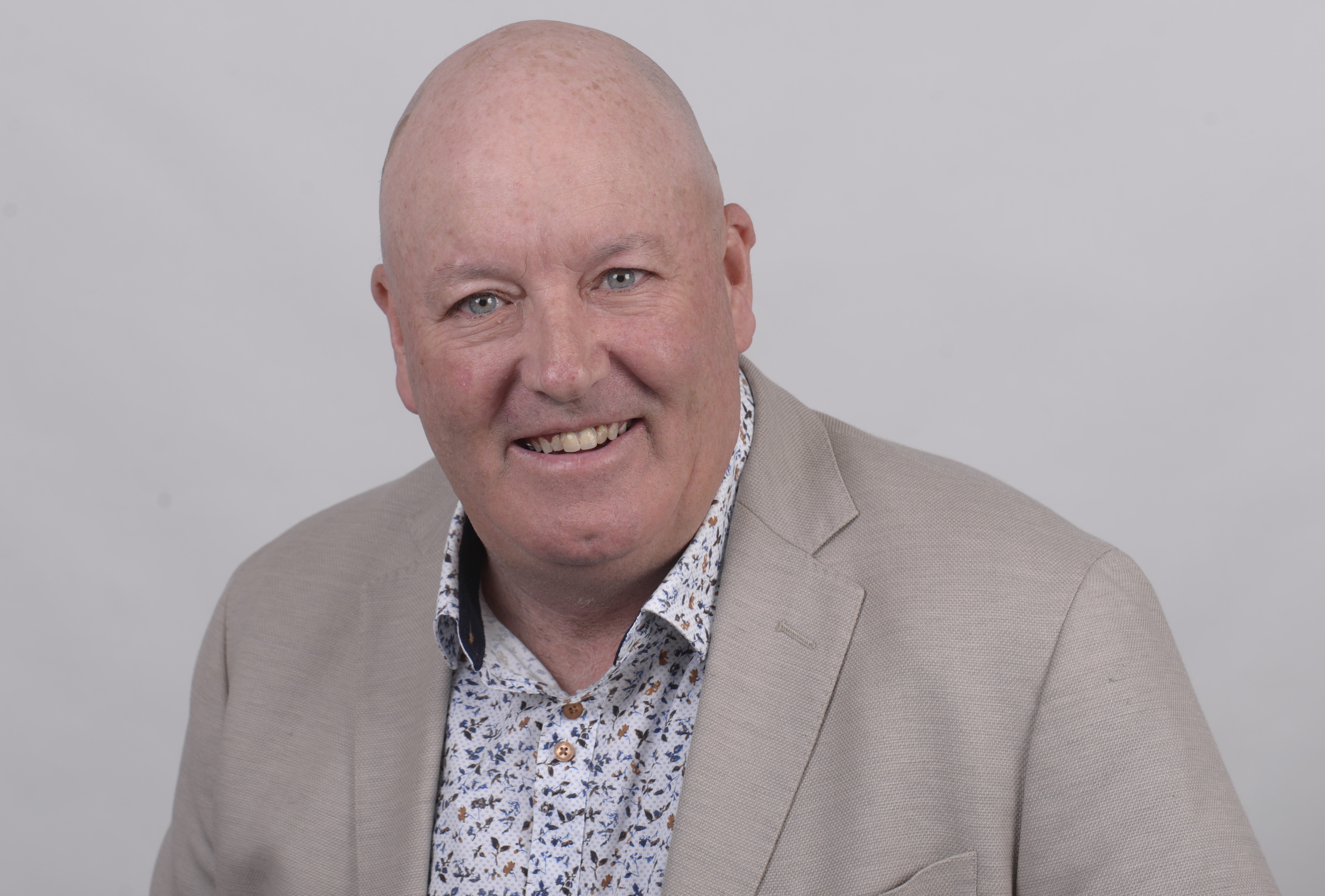
Stu Crowther, director and insurance adviser at TrustWell Insurance Brokers, started his own advice business 12 months ago after more than five years as an adviser manager at nib NZ. He’s also done stints at OnePath/Cigna and AIA.

His lengthy insurer experience meant he entered the adviser space with realistic expectations, though he said going out solo still required adjustment.

"Because I'd dealt with advisers for so long, I was fully prepared for the good times and the bad times," he said. "But going out on your own is different - all of your activity is down to you."

Health insurance opens doors

Working primarily with mortgage broker referral partners, Crowther said that working with property buyers has given an interesting perspective on what clients need and value. Health insurance has been a particular point of interest, as it often proves more effective than traditional life insurance pitches.

"Wanting to talk about life insurance is a fairly dull opening, whereas talking about the public health system - most people have an opinion on that,” he explained.

He notes that health insurance is particularly topical right now, given the strain on the public system.

"Having the right health insurance product for the long term is vitally important. Non-PHARMAC coverage is a must right now, and I got a very deep understanding of that when I was in my corporate role.”

"There is an awareness of how poor the public system is, but not so much of an awareness of what the solutions are," Crowther added.

"The average person wouldn't even know what Medsafe or PHARMAC were. Having spent the last years with a health insurer, that's something I'm pretty passionate about.”

Then of course, there’s budgeting.

“The market has been tight, but it’s certainly loosening up a bit. That said, customers are still conscious of dollars and budgets. Any kind of advice has to take a limited budget into account.”

Insurers must speed up processing

From an industry perspective, Crowther said the single most important improvement insurers could make was accelerating new business and underwriting processes.

He said while apps are helpful, they either don’t touch decision making at all, or won’t make decisions on anything outside standard parameters. The delays are creating challenges for advisers trying to serve clients efficiently, particularly in a market where customers were already price-sensitive and careful about commitments.

"The less humans that look at stuff, the better," he said. "Things can sit in the pipeline for a long time and not get looked at."

“If there's anything even slightly out of the box, it gets referred to the underwriter, which can then be 5+ days before the underwriter looks at it and starts to issue terms.”

Comments

On Saturday, October 11th 2025 7:37 am JPHale said:

Stu is absolutely right, and this follows the work Allan Mearns did at Sovereign in the 00s with the disablement process. The conversation best starts with how do you plan to access medical treatment? Followed by how will you pay the bills during treatment and recovery? The rest of the conversation flows naturally from there. Having taken this approach since I started, my stats and reporting is showing high utilisation of medical with claims, like all insurers are seeing, but also showing significantly lower claims rates with disability, trauma, and life claims than expected. Meaning good, fast, and easy access to health care is helping prevent serious medical issues for people. Around 95% of my clients have medical insurance. Sort of the point of insurance advice? Not just about the ambulance at the bottom once events happen, but trying to fence off the cliff too.

Most Read

Unity First Home Buyer special 3.99
ICBC 4.25
SBS FirstHome Combo 4.29
Co-operative Bank - First Home Special 4.35
TSB Special 4.39
Co-operative Bank - Owner Occ 4.45
ANZ Special 4.49
ASB Bank 4.49
SBS Bank Special 4.49
Unity Special 4.49
Westpac Special 4.49
ASB Bank 4.49
TSB Special 4.49
AIA - Go Home Loans 4.49
SBS Bank Special 4.49
Kainga Ora 4.49
BNZ - Std 4.49
Kiwibank Special 4.49
Wairarapa Building Society 4.59
Nelson Building Society 4.59
ICBC 4.59
Unity Special 4.65
ICBC 4.99
BNZ - Std 4.99
SBS Bank Special 4.99
Kainga Ora 5.15
ASB Bank 5.15
AIA - Go Home Loans 5.15
Westpac Special 5.29
TSB Special 5.39
Kiwibank Special 5.39
Co-operative Bank - Owner Occ 5.49
BNZ - Classic 5.59
SBS FirstHome Combo 3.29
AIA - Back My Build 3.34
SBS Construction lending for FHB 3.74
CFML 321 Loans 3.95
Co-operative Bank - Owner Occ 4.99
Co-operative Bank - Standard 4.99
Heartland Bank - Online 5.30
ICBC 5.39
Kiwibank - Offset 5.65
Kiwibank 5.65
ANZ 5.69

More Stories

Buyers sitting on the sidelines in best time to buy in a decade

Thursday, December 04th 2025

Buyers sitting on the sidelines in best time to buy in a decade

Stable house prices, low interest rates and plenty of houses to choose from are still not enticing buyers.

Differing views on 50-year mortgage

Tuesday, December 02nd 2025

Differing views on 50-year mortgage

US president Donald Trump recently raised the idea of 50 year mortgages; but New Zealand advisers say such long loans won’t take off in New Zealand.

Houses selling at a loss hit a 12 year high

Wednesday, November 26th 2025

Houses selling at a loss hit a 12 year high

About one in five Auckland residential properties (19.3%) sold for less than their original purchase price in the third quarter, up from up from 15.9% in the second quarter.

OCR Preview: How far is far enough for the RBNZ?

Friday, November 21st 2025

OCR Preview: How far is far enough for the RBNZ?

Economists expect the OCR to drop another 0.25% to 2.25% next week, with a 50/50 chance of another cut in February.