However, Property Institute chief executive Ashley Church said property investment is a good thing – it’s just that it’s being directed into the wrong places.
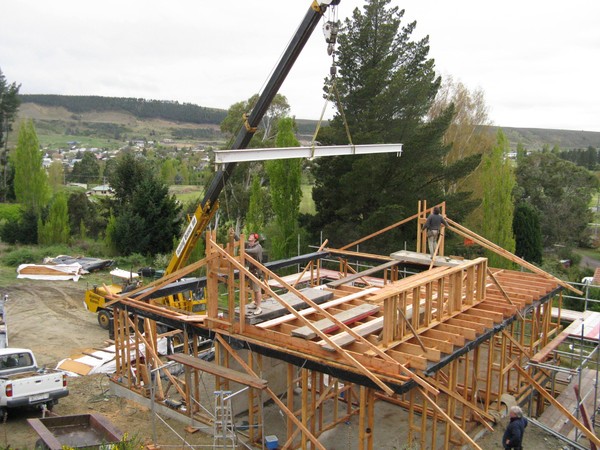
In his view, a crucial element in solving Auckland’s housing market issues, including house price inflation, is encouraging investors towards new builds.
“Currently, 42% of properties in Auckland are being sold to investors who are simply selling existing homes to each other and inflating the value along the way.
“Redirecting that money into the construction of new dwellings is a much more positive use of capital and will fast track the speed at which new dwellings are built”.
Church said Auckland house prices will keep going up until there is a significant increase in supply.
The perception that government can fix the supply issue by itself is dangerously wrong, he said.
“The key to addressing supply is a dramatic lift in the extent to which Kiwis are prepared to build or buy new dwellings in preference to existing dwellings.
“To date, the mix has been all in the wrong direction.”
To that end, the Property Institute has released a set of proposals which are intended to suggest a better, and more co-ordinated, way forward.
One of the proposals is that the Reserve Bank remove LVRs on anyone – investor or owner-occupier - buying or building a new dwelling.
In fact, this has already happened in last week’s Reserve Bank confirmation of the latest LVRs, which broadened the exemption for new builds.
However, the Property Institute has also proposed that LVRs for investors buying existing dwellings should increase significantly.
Church said it was necessary to “book-end” the new build LVR exemption with measures designed to make it very difficult for investors to continue buying existing dwellings.
“Increasing the LVRs to 60% or even 70% will send a very powerful message to the market and will ensure that many more homes are built”.
This would provide strong stimulus to the construction industry and also help to change the market behaviour in a way positive for Auckland, he said.
Another of the Property Institute’s proposals is designed to discourage people from land-banking sections which could be used for new dwellings.
Church said that, in order to prevent land-banking, rates on rates on vacant subdivided / separately titled sections should be significantly increased.
“To do this, land owners would be given 12 months to commence development of the land – after which the Council rates payable on the site would be dramatically increased.
“This would apply to large scale developers, small scale developers and mums and dads sitting on titled sites, and would be a very clear message to get busy, rather than sitting on land which could otherwise be used for homes”.
The Property Institute’s final proposal was that LVRs should be removed entirely for first home buyers.
Church conceded that forcing investors away from existing stock and imposing higher rates on land-bankers was regressive.
But he said such measures were necessary to change buyer behaviour in a way that benefits Auckland.
“Directing investors to new builds would actually mean they could continue in the market. It’s just they would have to spend in areas that are good for the market.
“The Reserve Bank’s measures have been punitive and have created pent-up demand, which is not good for the market. This would have the reverse effect.”
Church added that it was necessary for government, local government and the Reserve Bank to work together in a more co-ordinated manner to address the Auckland housing crisis.


 Search