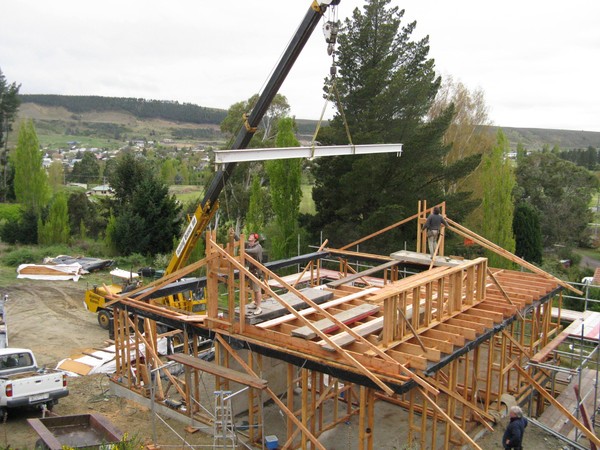
The number of new dwellings consented in the year ending February 2020 was 37,882, which was an 11% increase on the same period in 2019, according to Stats NZ latest data.
Stats NZ construction statistics manager Melissa McKenzie says the number of new homes consented in the February 2020 year was the highest in about 45 years.
This was boosted by a rise in Auckland consents: A total of 14,854 new dwellings were consented in Auckland in the February 2020 year, just over 1,000 more than in the previous February year.
Nationally, there were many more higher-density style homes - such as townhouses, flats, and units – consented.
But McKenzie says that building consent statistics may be affected in the coming months by the current Covid-19 lock-down.
“However, any delay to or cancellation of already consented building plans would be seen in the quarterly value of building work put in place, not in monthly consent statistics.”
ASB senior economist Jane Turner says that prior to the global COVID-19 virus outbreak, the housing market was enjoying a strong upswing which was feeding through into increased building demand.
But looking ahead, March and April consents will be impacted by the Alert Level 4 shut down as most consenting and construction activity will be classified as non-essential, she says.
“We expect a sharp decline in construction activity over Q2 as a result of the lock down (we have pencilled in a 30% quarterly decline in residential investment).”
The longer the shutdown continues the more severe the impact will be on construction output, she says.
“But construction activity should bounce back relatively quickly once the Alert Level is lowered and restrictions are relaxed such that construction activity can resume.
“The various Government support measures will be key in helping businesses remain solvent and ensuring capacity is not lost during the shutdown.”
Looking beyond the near-term volatility, construction demand (for both residential and non-residential activity) will be negatively impacted by economic uncertainty over the coming year, Turner adds.
“The COVID-19 outbreak will result in firms, households and Government reassessing construction needs in future years.
“In addition, there is risk that shortages of construction materials will limit construction output due to supply chain disruptions from lock downs in New Zealand and abroad.”
Westpac senior economist Satish Ranchhod agrees. He says that while there is a large pipeline of planned work, Covid-19 disruptions will hamper building activity over the coming quarters.


 Search