Over half (53%) of New Zealand houses have inadequate insulation in the roof and/or floor space and would benefit from retrofitted insulation, according to the latest House Condition Survey report.
The Building Research Association of New Zealand (BRANZ) report also found there was little difference in ceiling insulation levels between owner-occupier and rental houses.
But a slightly higher proportion of rental houses did have less or no insulation in the roof space.
While 23% of them had less than 70mm insulation in the roof space, 63% had at least 70mm insulation covering at least 80% of the roof space.
Alongside insulation, the BRANZ report – which surveyed 560 houses nationwide and weighted the findings to represent the total number in New Zealand – looked at ventilation, heating and mould in New Zealand houses.
One of its key findings was that many households do not use heating efficiently.
Almost half of households do not usually heat bedrooms in winter while 5% of households do not usually heat living areas in winter.
The report also showed that rental households have less access to more cost-effective heating appliances, like heat pumps, wood burners, flued gas heaters, than owner-occupiers.
Heat pumps were in just 27% of rental houses as compared to 46% of owner-occupied houses.
Instead rental households are more reliant on portable heating appliances which are more expensive to run and less effective for heating larger spaces.
One fifth of rentals (20%) only had portable heating appliances.
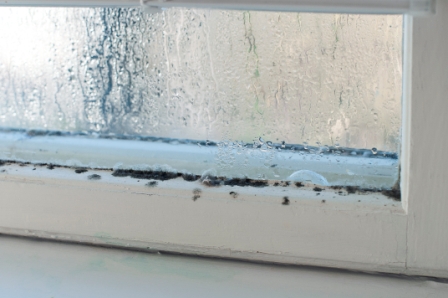
Further, damp and mould were more prevalent in rental houses, the report found.
Rental houses were twice as likely to smell damp as owner-occupied houses (12% compared to 6%) and nearly three times as likely to feel damp (31% compared to 44%).
Mould was visible in nearly half (49%) of all houses surveyed but was slightly more common in rental houses (56% compared to 44%).
BRANZ researcher Vicki White said the survey highlights the need for improvement in insulation and winter household heating habits.
“Home owners and landlords should consider improving insulation in the roof space to get the most from their heating.
“Insulation is cost-effective in the long-run. Heating a well-insulated room is far more economical as it will retain the heat.”
She added that if houses are kept warm and dry with good levels of insulation, good ventilation systems, like extractor fans and regularly opened windows and doors, it will help reduce the risk of damp and mould.
NZ Property Investors Federation executive officer Andrew King said they support the provision of good, healthy, insulated rental houses.
But there is no point in insulating if people don’t use their heating and research shows that many people – tenants and owner-occupiers – don’t because it is too expensive, he said.
“For this reason, we support the provision of electricity vouchers to low income families to help with heating in winter.”
Read more:
Minimum standards for insulation and heating a step closer
Healthy homes debate fires up


 Search