Labour leader Andrew Little’s Healthy Home Guarantee Bill (No 2), which has had a chequered passage to date, will be debated by Parliament on Wednesday.
The bill aims to set minimum standards around insulation, heating, ventilation and drainage which all landlords would have to comply with before they could legally rent out their properties.
Just over a week ago, the Cabinet approved the final details of the new insulation and smoke alarm requirements contained in the Residential Tenancies Amendment Bill.
But Labour’s housing spokesperson Phil Twyford said a new Otago University study showed the new insulation standards were inadequate.
The study, which was released last week, found that properly insulating all houses to current 2008 standards would reduce child hospitalisations by 6%, he said.
“It also criticises the RTA Bill for leaving the majority of rental properties with insulation at the much lower and inadequate 1978 standards.”
The Healthy Homes Guarantee Bill (No 2) would close the loophole in the RTA Bill which permits old 1978 insulation standards, Twyford said.
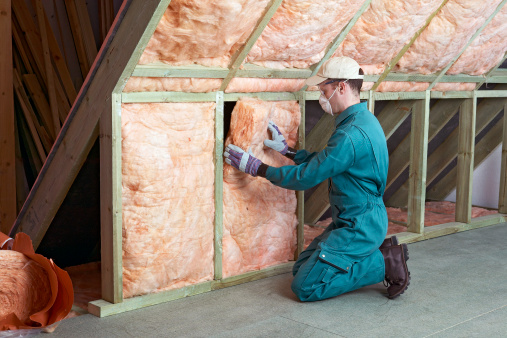
Under the new standards required by the RTA Bill, properties which already have insulation, but not up to today’s standard, will not have to be upgraded to the 2008 Building Code Standard.
However, in situations when a property has no insulation, or the insulation is no longer in reasonable condition, the required insulation work will have to meet the 2008 standard.
The NZ Property Investors' Federation agrees that focusing on insulation and heating, as the Bill does, is far more effective than an expensive and wide ranging WOF.
But forcing expensive heating into every rental property is not the right answer – rather solutions that focus on the real problems and those in real need are called for, NZPIF executive officer Andrew King said.
Last year an NZPIF membership survey showed that heat pumps were the main form of heating that were being installed into members’ rentals, voluntarily and with the agreement of their tenants.
King said that energy efficient heaters are expensive and increase the cost of renting a property and this means many families simply don’t have the funds to turn the heating on.
For this reason, the NZPIF believes making heating and insulation tax deductible or subsidised would be a better strategy than making them compulsory
“This would reduce the pressure for rental prices to increase”, King said.
“In addition, we believe that families who have children with identified health problems should be provided with electricity vouchers during the winter months so they can turn their heater on.”
It remains to be seen whether the Healthy Homes Guarantee Bill (No 2) will progress past its first reading in Parliament.
Labour’s first attempt at a Healthy Homes Bill last year failed to garner the necessary support to proceed to Select Committee.
But, whatever the outcome this week, the issue is set to remain live as the Green Party’s Residential Tenancies (Warm, Safe and Secure Rentals) Amendment Bill is still sitting in the parliamentary ballot.
The Green Party is also currently promoting a petition on the issue.


 Search